_result.jpg)




Narrow street vehicle access tips for Kew removals estates
Posted on 12/07/2026
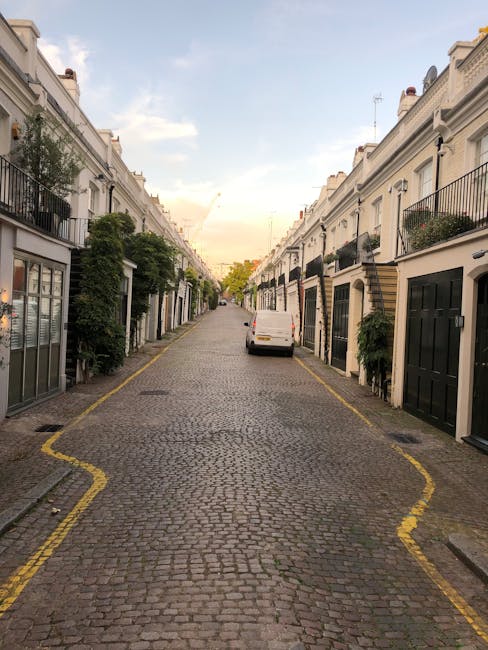
If you're moving in Kew, you already know the streets can be a bit of a puzzle. Terraced roads, estate access points, parked cars, trees, tight turns, and the occasional "well, that definitely wasn't designed for a removal van" moment can all slow things down. That is exactly why narrow street vehicle access tips for Kew removals estates matter: they help you plan a move that stays safe, efficient, and less stressful from the first arrival to the final unload.
In practice, access is often the difference between a calm moving day and one where everyone ends up doing extra shuttles, awkward lifting, and a lot of waiting around. Let's face it, nobody wants a removals crew blocked half a street away while you juggle boxes in the drizzle. This guide walks through how access planning works, what to check before the van arrives, and how to avoid the common mistakes that catch people out in estate moves around TW9.
Why narrow street access matters in Kew estate moves
Narrow access changes almost every part of a removal. The van may not be able to stop directly outside the property, turning what should be a quick carry into a longer route with extra handling time. On an estate, that can affect neighbours, lifts, shared entrances, parking bays, and the overall timing of the move.
In Kew, a lot of homes sit close to roads that are simply not built for large, long vehicles. Add low branches, limited turning space, speed humps, and residents' parked cars, and the margin for error gets small. A removal team that understands this will plan the load size, parking position, and unloading sequence before anyone lifts a single box.
It also matters for safety. If a van is forced into a poor position, people start taking shortcuts: carrying bulky items too far, squeezing through tight gaps, or lifting from awkward angles. That's where damage happens. A scratched doorframe is annoying; a strained back or dropped piano is worse. If you want a deeper look at safe handling, the guidance in master solo techniques for heavy object lifting and kinetic lifting and movement techniques can help you understand why route planning and lifting go hand in hand.
There is another side to this too: access affects cost. Not always dramatically, but enough to notice. If the van cannot park close to the entrance, more time is needed. More time often means more labour, or at least a less tidy schedule. That's one reason it helps to be honest early about the street, the estate layout, and anything awkward like gated access or a dead-end approach road.
How narrow street vehicle access tips for Kew removals estates works
Think of access planning as a chain of small decisions. First, you identify the road conditions. Then you match the vehicle to the space. After that, you work out where the crew can safely park, how far they'll carry items, and whether any permissions or temporary arrangements are needed. Simple enough in theory. In real life, the detail matters.
Most good planning starts with a short discussion before moving day. You describe the estate entrance, any parking controls, the width of the road, whether there are bends or corners that make reversing awkward, and whether there's room for a removal van to wait without blocking residents. If you have a ground-floor flat, that changes things; if you're in a higher flat with shared access, that changes them again. For a broader sense of how flat moves are handled, the page on flat removals in Kew is useful context.
Once the access picture is clear, the team can choose the right van size. Smaller vans are often better on tighter streets because they're easier to position, reverse, and unload from without causing hassle. Bigger vans may still be appropriate, but only if there is confirmed stopping space nearby. On some estate roads, a medium vehicle plus a disciplined loading plan is much better than trying to squeeze in something oversized and then hoping for the best. That rarely ends well, to be fair.
The final part is timing. If the route is tricky, a morning slot may work better before residents' parking fills up. Or an off-peak window may help reduce passing traffic. Sometimes the sensible answer is simply to split the move into sections, especially if furniture is bulky or the estate access is shared with a lot of other users. You can also combine this with service choices like man and van Kew or removal van Kew depending on the scale of the job.
Key benefits and practical advantages
Good access planning does more than save time. It makes the whole move feel less chaotic, and that's no small thing when you're watching a timetable, a lift booking, and a pile of labelled boxes all at once.
- Less carrying distance: Fewer steps from van to door means less fatigue and a lower chance of damage.
- Safer handling: Tighter streets often force awkward angles, so planning avoids rushed lifts.
- Smoother neighbour relations: Thoughtful parking and timing reduce inconvenience on the estate.
- Better vehicle choice: The right-sized van is easier to place, load, and manoeuvre.
- Fewer delays: A clear access plan keeps the day moving, which matters when building rules or time slots are involved.
There's also a quiet benefit that people don't always talk about: confidence. When you know the van can get close enough, the team knows the route, and the entry points are sorted, the move feels manageable. You stop guessing. That can be a relief in itself.
If you're comparing moving setups, it may help to read about removal services overview alongside the practical advice in this article. Different homes need different approaches, and the "best" vehicle is often the one that fits the site, not just the load.
Who this advice is for and when it makes sense
This is for anyone moving in or around Kew estates where road width, parking, or shared access could become a problem. That includes families in larger homes, tenants in flats, students moving smaller loads, and businesses shifting office furniture in or out of compact streets.
It matters especially if you're dealing with one or more of the following:
- a one-way estate road with limited turning space
- parked cars that may reduce visibility
- shared entrances or internal estate loops
- stairs, lifts, or long internal corridors
- heavy items such as wardrobes, fridges, pianos, or sofas
- tight time windows for access or parking
Students and renters often underestimate access because they assume a small load equals a simple move. Sometimes that's true. Often it isn't. A single mattress, desk, and stacked boxes can still be awkward on a narrow road if the van cannot stop nearby. If that's your situation, the advice in student removals Kew and student flat removals near Kew Gardens station may be especially relevant.
It also makes sense if you're moving something fragile or unusual. A piano, for example, adds handling complexity even when the access looks reasonable. On a narrow estate road, that complexity multiplies. The same goes for bulky furniture. In those cases, it's worth looking at specialised help such as piano removals Kew or furniture removals Kew.
Step-by-step guidance
- Walk the access route before moving day. Check the street width, pavement edge, kerbs, gates, and any awkward corners. If you can, look at it both during the day and around the time of your move. Sometimes the road looks fine at 10am and completely different by 3pm.
- Measure the obvious pinch points. You do not need architectural precision. Just know whether a van can safely stop without blocking the road, whether a turning point exists, and how far the carry is likely to be.
- Identify parking realities. Look for resident bays, loading spaces, double yellow lines, controlled parking zones, and any signs that suggest restrictions. If you are unsure, speak to the local authority or your mover in good time.
- Choose the smallest practical vehicle. Don't go oversized because it feels safer. On a narrow street, a smaller or medium van may actually be the safer, faster choice.
- Decide what needs disassembly. Beds, tables, wardrobes, and modular shelving often move more easily in parts. For mattress-related planning, see innovative approaches to bed and mattress relocation.
- Label and stage items near the exit. The less time spent hunting for a box while the van is parked awkwardly outside, the better.
- Build in a buffer. Narrow streets can create small delays. A five-minute issue can become a 30-minute one if you're rushed.
- Keep a backup plan. If the van cannot get directly outside, agree in advance where the load can be transferred from safely.
A small but useful habit: take photos of the access route on your phone. One quick image of the road, the entrance, and any parking sign can save a lot of back-and-forth later. Not glamorous, but very handy.
Expert tips for better results
Here's the practical stuff the experienced teams tend to focus on, because it genuinely keeps the day on track.
1. Treat access as part of packing, not just transport. If the van is parked a little way off, your boxes need to be secure enough for longer carries. That means decent tape, sensible box weights, and no random overstuffing. If you want a deeper packing refresher, packing and boxes Kew is a natural next read.
2. Use smaller loads for the awkward items. Heavy or long items should not be bundled into one impossible carry. Splitting them is often safer and faster. This is especially true on narrow routes where a misplaced step can throw off the whole sequence.
3. Ask about tail-lift, trolley, and carry equipment early. The right kit matters when the vehicle cannot park at the door. A trolley can save time, but only if the route is smooth enough to use it properly.
4. Keep the estate as clear as you reasonably can. If you're allowed to, move your own car the night before. Tell neighbours if a van will need space. Little things like this make a surprisingly big difference.
5. Be realistic about what can be done in one trip. Sometimes people want a single load because it sounds efficient. On a narrow street, a slightly staggered plan may be cleaner. Less drama, less strain, fewer "let's just squeeze it in" moments.
6. Protect the fragile stuff first. If access is awkward, delicate items are exposed for longer. Wrap mirrors, TVs, and glass items well. For sofa protection and long storage handling, the article on sofa care secrets for long-term storage is useful background.
7. Have one person on door duty. It sounds simple, but it stops confusion. One person can guide the crew, check what's moving next, and answer access questions while everyone else keeps lifting. That little bit of control helps a lot.

Common mistakes to avoid
The biggest mistakes are usually small ones that snowball. A narrow street doesn't forgive much, so avoid the trap of "it'll probably be fine". Probably is not a plan.
- Booking a van that is too large. If the vehicle can't turn or stop safely, it becomes a problem before the move even starts.
- Assuming parking will be available. Estate roads can fill up quickly. That last empty space you saw in the afternoon may vanish by moving morning.
- Not mentioning restrictions early. If there's a gate code, timed access, low bridge, height limit, or no waiting zone, say so upfront.
- Skipping a site visit. Photos help, but they do not always show the full width, slope, or turning issue.
- Overloading boxes. Heavy boxes slow everything down, especially when they need to be carried further than expected.
- Leaving furniture assembled when it should be broken down. Oversized items are harder to manoeuvre in tight spaces and through narrow doors.
- Ignoring the weather. Rain, wind, and slippery kerbs can turn a simple carry into a messy one. A damp cardboard box in a narrow alleyway is nobody's favourite moment.
One more thing: do not leave access planning until the van is literally turning into the street. That is where people start improvising, and improvising in a tight Kew estate is rarely elegant.
Tools, resources and recommendations
You do not need specialist software to plan access well. A few plain tools are enough.
- Phone camera: Photograph the road, entry point, and any signs or bays.
- Measuring tape: Useful for gate widths, furniture dimensions, and lift openings.
- Simple floor plan sketch: Even a rough hand-drawn map helps the crew understand the sequence.
- Marker labels: Good for identifying the order in which items should come out.
- Blankets, covers, and straps: Especially helpful when the carry route is longer than expected.
It can also help to read a few adjacent planning pages before the move so you're thinking about the whole job, not just the road outside. For example, comprehensive decluttering for an uncomplicated move can reduce load size, while insider tips on packing to make moving day easier helps you prepare items more sensibly.
If your move is tied to a tight timeline, it's also worth understanding fallback options. The page on same day removals Kew gives a useful sense of how timing pressure changes the moving plan. Access issues and same-day moves do not always mix well, so planning becomes even more valuable.
For anyone looking at storage as a staging point, storage Kew can be useful if the estate access or building timing means you cannot move everything in one go. That's not a failure. Sometimes it's the neatest solution.
Law, compliance, standards, or best practice
When vehicle access is involved, there are a few practical compliance points to keep in mind. Exact requirements depend on the street, the estate, and local parking or access controls, so it is sensible to check arrangements in advance rather than assume anything.
At a basic level, good practice means:
- parking only where permitted
- not blocking emergency routes or residents' access
- keeping pavements and entrances as clear as possible
- using appropriate lifting methods to reduce injury risk
- following the mover's health and safety processes
That last point matters more than people realise. A professional team should have a sensible approach to risk assessment, handling, and site awareness. If you want to know how a mover frames that responsibility, their health and safety policy and insurance and safety information are worth reviewing before booking.
For moves in restricted streets, there may also be local parking rules or temporary arrangements to consider. You do not need to be an expert in the details, but you do need to raise the issue early and make sure someone has checked the practical side. That is simply good moving behaviour, if we can call it that.
And yes, if the road is narrow enough that everyone has to edge past politely, you should take that as a sign to slow things down and plan more carefully, not less.
Options, methods, or comparison table
There is no single right answer for every Kew estate move. The best option depends on the road, the load, and how much room you actually have to work with. Here's a simple comparison to help.
| Approach | Best for | Strengths | Watch-outs |
|---|---|---|---|
| Small van | Tight estate roads, light to medium loads | Easier turning, easier parking, less road obstruction | May need more trips if volume is high |
| Medium removal van | Typical flat or house moves with some access limits | Balances load space with manoeuvrability | Still needs checking for narrow bends and parked cars |
| Larger van or lorry-style vehicle | Better access roads, larger homes, fuller loads | Fewer trips, more efficient loading | Can be awkward on estate roads and may block access |
| Split-load approach | Very restricted streets or mixed access conditions | Flexible, safer, often more realistic | Can take longer if not planned properly |
For many Kew estates, the split-load or medium-van approach ends up being the sweet spot. Not flashy, just sensible. Sometimes sensible wins.
Case study or real-world example
A typical local scenario goes like this. A couple moving out of a first-floor flat in a Kew estate assume a medium van can park right outside the entrance. On the day, they discover the nearest legal stopping point is farther down the road because resident cars fill the obvious space. The lift helps, but the carry is longer than expected, and one sofa ends up being moved in a more awkward sequence than planned.
If they had checked the route the day before, they would have spotted the pinch point: the turning area near the entrance was too tight for a long vehicle to sit comfortably. The better solution would have been a smaller van, an earlier arrival time, and a clear unload point agreed in advance. The move still would have taken work, of course, but it would have felt controlled instead of improvised.
That's the key lesson. Narrow street access isn't usually a disaster. It becomes one only when the move is planned as if the street were wide open. In real life, the van, the door, the parking, and the lift all need to work together.
For a broader look at planning around local streets and building types, the Kew removals guide for Kew Gardens homes and flats is a helpful companion piece.
Practical checklist
Use this before moving day. A five-minute check now can save a much longer headache later.
- Confirm the exact moving address and estate entrance.
- Check whether a van can stop legally close to the property.
- Identify any height, width, or turning limits on the route.
- Ask about loading bays, resident bays, or temporary stopping space.
- Photograph the street and entrance from both directions if possible.
- Tell the moving team about gates, codes, lifts, and shared corridors.
- Measure large furniture that may need dismantling.
- Label boxes clearly and keep fragile items separate.
- Clear your own vehicle from the access route if needed.
- Build in extra time for tight roads and estate traffic.
- Agree on a backup unload point if the door cannot be reached directly.
- Keep water, snacks, and a phone charged. Sounds small, but it helps.
And if you're still in the early planning stage, pricing and quotes can help you compare options once you know what kind of access you're dealing with.
Get a free quote today and see how much you can save.
Conclusion
Narrow street vehicle access in Kew estates is not just a parking issue. It shapes safety, timing, handling, and even the emotional feel of the day. When the route is clear, the van is the right size, and the moving plan fits the street rather than fighting it, everything becomes easier. You move faster, carry less stress, and give your belongings a better chance of arriving in one piece.
If there's one practical habit to keep, it's this: check access early, speak plainly about the obstacles, and plan the vehicle around the street, not the other way around. That one shift saves a lot of grief. Honest, it does.
For moves that need a careful, local approach, the best next step is to speak with a team that understands the realities of Kew roads, estate layouts, and the small things that make moving day go smoothly. Calm planning beats last-minute heroics every time.