Man With A Van in Kew for practical local removals and transport

We provide man with a van in Kew for customers who need a flexible way to move furniture, household items or business equipment without booking a full-scale removals operation. The service suits straightforward collections, partial house moves and smaller delivery jobs where care, organisation and sensible loading matter. It is designed to handle everyday moving tasks with attention to access, timing and the condition of the items being carried.
Our work can cover single-item moves, room contents, light flat removals and other transport jobs that benefit from a van and an extra pair of hands. We also help with furniture pick-up when items need collecting from shops, storage or private addresses. If you are comparing moving options, this type of service often sits between parcel delivery and a full removal team, giving you a manageable way to move what matters.
For a broader overview of moving support, our removal services page brings together the main options we offer. If you already know roughly what needs moving, you can request pricing and quotes and give the team the key details needed to shape the job. A clear list of items, access information and the collection and delivery points will help the quotation process stay accurate and straightforward.
What a man and van service can cover
A good man and van arrangement is built around useful capacity rather than excess scale. In practice, that means the van space is used efficiently, the load is set out to reduce movement in transit, and the work is managed so that the heavier items are handled safely. It can suit customers moving from a flat, sending furniture to family, or taking several boxes to another property or storage unit.
Because the service is flexible, it can be adapted to many everyday moving patterns. Some customers need help with a single heavy item and several smaller pieces; others want a scheduled collection and delivery for a compact home move. If your move includes boxes, soft furnishings or dismantled items, packing and unpacking services may also be helpful when the focus is on making the load easier to handle.
In simple terms, the service is useful where you want moving help without unnecessary complexity. It is generally best when the items are already identified, the collection and delivery points are known, and the work can be planned around access such as stairs, door widths or parking. That kind of preparation keeps the process direct and helps the vehicle space be used sensibly.
Domestic removals and smaller home moves

For domestic work, the service can support smaller house moves, partial removals and selected room contents that do not require a large removal crew. Customers often use it when they want to move a handful of larger pieces together with boxes, or when the destination is close enough that a streamlined load makes more sense than arranging a full household move. The emphasis stays on handling the items well and loading them in a practical order.
If the move involves a whole property or a more structured relocation, you can look at home moves for a more complete domestic service. Where the job is more specifically a property move, the related house removals option may be a better fit. These pages help distinguish between simple transport support and a larger moving plan, so you can choose a service that matches the scale of the task.
When planning a domestic booking, it helps to think through what is being moved, which items are fragile, and whether anything needs to be dismantled before travel. A short list of the larger pieces, the number of boxes and any awkward access points makes it easier to prepare a sensible load. Clear preparation does not need to be complicated; it simply needs to match the amount of work being carried out.
Commercial moving support for offices and workspaces
Not every van job is domestic. We can also support commercial moving work where the load consists of office furniture, boxed files, light equipment or other business items that need to be transferred efficiently. This type of move can suit smaller offices, studios or shared workspaces where the quantity is limited but the items still need careful handling. It is particularly useful when the move must be arranged around business hours or phased around different teams.
For a more structured business relocation, see office relocation services. Where the move is primarily about relocating office contents rather than personal household belongings, the related office removals page may also be relevant. These pages support customers who need a service that is still practical and direct, but shaped around commercial requirements rather than domestic ones.
Business removals often benefit from clear labelling, a simple order for loading and a known destination address with access details. That makes it easier to move desks, chairs, filing items and boxed stock without confusion. If the job includes more than one location or a staggered handover, make sure the sequence is explained early so the work can be planned in a logical order.
Collections, deliveries and one-off transport jobs

Some customers need transport rather than a move. A van with help can be ideal for collecting purchases, transferring bulky items between addresses or moving possessions from a storage unit to a home or business premises. This kind of job is often more convenient than trying to manage a large item in a small vehicle, especially when lifting assistance is needed at both ends of the journey.
For a simple collection or delivery task, the focus is on keeping the load secure and making the journey efficient. If the item is unusually large, check whether it can be dismantled first or whether it should travel assembled. For example, a sofa, wardrobe or table may need different handling from boxed goods. When you need help with a single bulky item, moving van support can be a useful starting point.
One-off transport jobs also work well when there is a clear starting point and a direct drop-off. That said, the service can still be adjusted if the collection site involves stairs, a narrow entrance or limited parking. The more precise the information, the easier it is to arrange the right van size and the right amount of labour for the task.
How loading, access and item type affect the job
Every moving job is shaped by the items involved and the access at each property. A set of boxes is very different from a large wardrobe or a heavy appliance, and the loading order should reflect that. The van space has to be used with care so that objects sit securely, with the heavier pieces positioned to reduce movement and the more delicate items protected from pressure.
For customers who want a simple moving option with reliable handling, our man and van removals page gives another route into the same core service. If you need the more general company overview, the removal company page can help you compare the different types of moving support offered across domestic and business jobs. This helps you choose a suitable level of service before you request a price.
Access details are worth describing clearly because they affect both timing and handling. Stairs, lifts, loading restrictions and awkward parking can change the way a job is approached. A sensible quotation depends on that information being accurate. Good preparation is not about adding complexity; it is about helping the move be carried out in a tidy and practical way.
About Kew
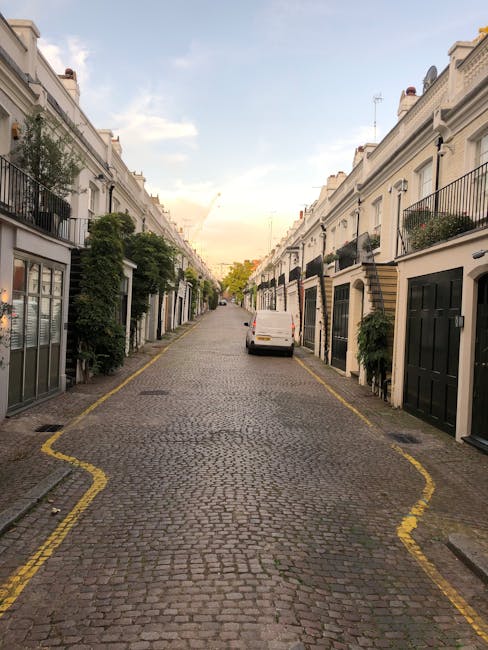
Kew is a district in the London Borough of Richmond upon Thames, on the south bank of the River Thames in southwest London. It is known for the Royal Botanic Gardens, Kew, a major landscape and scientific institution founded in the eighteenth century and now recognised internationally for its plant collections, glasshouses and research. The area’s riverside setting has long shaped its character, with paths, open views and access to neighbouring parts of Richmond and Chiswick giving it a distinct connection between urban life and the river corridor. Kew Green is one of the area’s most recognisable open spaces, bordered by historic buildings and connected to the older village pattern that still informs parts of the local street layout. The district also includes Kew Bridge, which links the area with Brentford across the Thames, and Kew Gardens station, a reminder of the strong rail links that developed as London expanded westward. Local architecture ranges from Georgian and Victorian houses to later residential streets, while the presence of historic institutions, garden landscapes and waterside routes gives Kew a layered identity. Nearby landmarks such as the National Archives at Kew reinforce its public and scholarly role, while the Thames Path and surrounding parks provide a more informal outdoor setting. Together, these features make Kew a place where residential neighbourhoods, heritage sites and green space sit closely alongside each other in an established London setting.
Planning a move with clear quotation details
When you ask for a quote, the most useful information is usually the simplest. A list of the main items, the locations involved, any packing already completed and the access at both ends will normally give a stronger basis for pricing than a short message with little detail. If there are fragile pieces, awkward dimensions or anything that needs dismantling, mention that up front so the quotation reflects the real scope of the work.
Where a job is time-sensitive or involves several stops, it helps to explain the route in the order it will happen. A move from a storage unit, for example, can be very different from a direct home-to-home transfer. If you want to compare related options, house movers is a useful page for domestic moving support, while man with van removal covers a more directly named version of the same practical service. Both help set expectations before you decide how much support you need.
If you are ready to go ahead, the next step is simple: contact us for a quotation. A short, accurate description of the job is enough to begin, and it is usually the best way to make sure the move is planned around the right load, route and timing. The goal is a quote that matches the task rather than a generic estimate.
Flexible support for households, landlords and businesses

A man with a van can be useful for more than one kind of customer. Households may need help with furniture, mattresses, boxes or appliance transport; landlords may need items removed between tenancies; businesses may need a dependable way to move stock, exhibition materials or office furnishings. The common thread is practical transport with enough handling support to make the job manageable.
Where the work involves a broader household relocation, the house removalists page offers another relevant domestic option. For smaller or more direct transport jobs, moving truck and removal van may help you compare vehicle-focused solutions, especially if you are deciding how much space and lifting support the move will require. Choosing the right kind of vehicle matters because it affects both loading efficiency and how many journeys might be needed.
The main decision is usually whether the job needs simple transport, assisted lifting or a fuller moving service. Once that is clear, it becomes easier to match the work to the most appropriate page and the most accurate quotation. If in doubt, describe the items and the access rather than assuming the size of the vehicle will solve everything on its own.
Service options that can be matched to the job
Different moving jobs call for different levels of support, and it is better to choose the nearest fit than to over-specify. A short local collection, a room move and a domestic relocation are all related, but they are not identical. For that reason, it helps to look at the service pages that describe the type of work most closely, then decide what needs to be included in the booking.
Useful related pages include man with van for the core service wording, removal van for vehicle-based transport, and removals for the broader overview. If you want an option that includes lighter planning around home contents, the man with van removals page may also be helpful. These pages are best used as simple signposts to the style of move you have in mind.
A well-matched service is usually the one that reflects the scale of the job without adding unnecessary extras. That keeps the move clearer for everyone involved and helps the quotation remain relevant. For a final check on the scope, think about what is being moved, how far it is going and what access conditions may apply at both properties.
Getting the most from the moving day

On the day itself, the most useful approach is to keep the items ready in the order they are likely to be loaded. Boxes together, fragile items identified and any dismantled furniture kept with its fittings all make the work easier to handle. If there are pieces that need special care, point them out before loading begins so they can be placed appropriately in the van.
For customers comparing support across different types of move, the removals near me page can help with a general local search, while commercial moves is useful where the job is business-related. If your move includes the transport of a substantial number of items, moving truck and removal companies can also give you context for the wider range of moving support available from the same site.
When you are ready to proceed, ask for a quotation and describe the load as plainly as you can. That is usually enough to start the process, and it allows the service to be tailored to the job rather than to a generic assumption. A simple, accurate enquiry is the best starting point for a smooth move.
Additional support, policies and useful information
Some customers like to review practical information before arranging a booking, especially where payment, safety or service expectations are important. The website includes pages such as insurance and safety, health and safety policy and payment and security, which can help answer common questions about how the service is run. These pages are not about the move itself, but they can be helpful when you want reassurance about the process.
There is also general company information on about us, along with supporting pages such as recycling and sustainability, privacy policy and terms and conditions. If you prefer to understand the wider service structure before sending details, that material can sit alongside the main moving pages and give a fuller picture of how enquiries are handled and what the website covers.
For a direct quotation request, the clearest step is still to get in touch with the item list and addresses. If the job sounds straightforward, that may be all that is needed to begin. Tell us what needs moving, and we can help shape the right service around it.